
The photo is temporarily unavailable

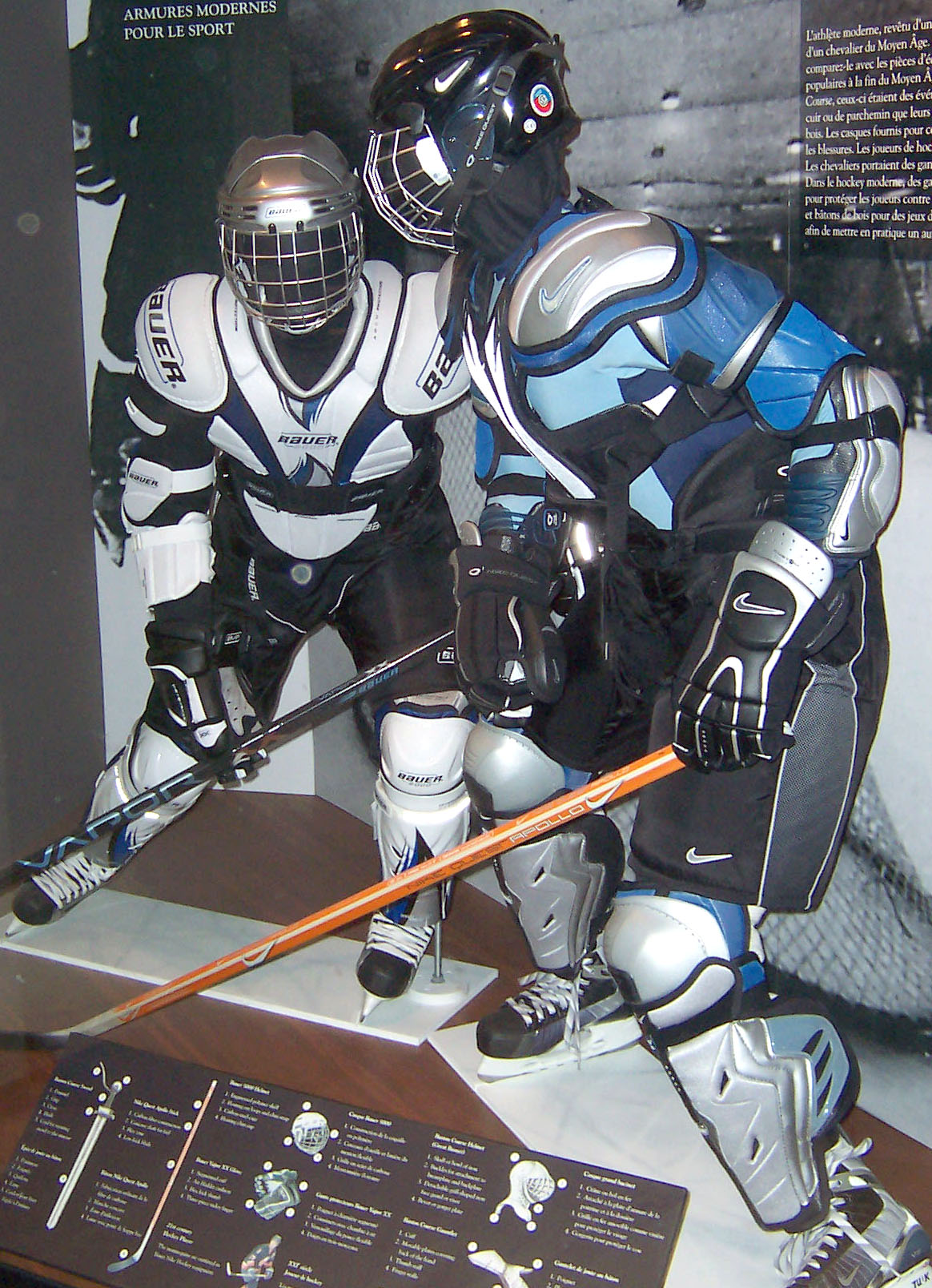
AA fast and physical game. You need a helmet, skates, a stick and protective gear.
BYou walk in the mountains, enjoy magnificent views and carry a backpack. Good boots are essential.
CYou need special boots, two long runners, poles, gloves and warm clothes. A fall can cause a broken limb.
DIt is a good way to see the countryside. All you really need is a bike and a helmet.
EYou can do it on a frozen lake or at a rink. It is fun with friends and not too difficult to learn.
FIt is perfect for hot weather. Bring a swimsuit or trunks and goggles, and never enter the water after drinking alcohol.
GIt is like skateboarding on snow. Good balance helps, but wear a helmet because beginners fall a lot.
Open the list and write the expressions in a notebook.

Open the list and write the expressions in a notebook.
Tennis (20%) is among the respondents than yoga (45%). This may be because tennis equipment is , while a yoga mat does not cost much.
Football (20%) is to respondents than scuba diving (9%). Diving , while basic football gear is .
Snowboarding (10%) is than cycling (17%). One reason may be that snowboarding is and takes longer to learn.

Open the list and write the word families in a notebook.

Team sports help you develop social skills. You learn to communicate, work towards a common goal, support teammates and deal with both winning and losing. Being part of a team gives you a sense of belonging and is a great way to make new friends.
Team sports are often exciting and dynamic. They involve fast action, require quick thinking and decision-making skills, and can motivate you to push yourself harder.
Individual sports let you practise whenever you want and work at your own pace. You do not have to rely on anyone else’s schedule, so training is more flexible and convenient.
Individual sports allow you to focus on personal performance, improve your own skills and reach your full potential. They may also help you relax and reduce stress.
Both types offer benefits. The right choice depends on your personality, preferences and goals: social interaction may point towards team sports, while independence and flexibility may make individual sports a better fit.
Extreme sports are about adrenaline, danger and excitement. A major advantage is the sense of achievement they can bring: people learn to face their fears, push themselves and never give up. Many extreme sports also require strength and endurance, so they can help people stay fit and improve balance and coordination.
However, these activities carry serious risks. People may get injured or even die, and safe participation requires training and protective equipment. That can make an extreme sport expensive: lessons, travel and specialist gear may cost hundreds or thousands of pounds. Anyone who wants to try such a sport should understand the risks and take all necessary safety precautions.
Open the list and write the expressions in a notebook.


Imagine that you and your friend are doing a school project “Risking your life”. You have found some photos to illustrate it but for technical reasons you cannot send them now. Leave a voice message to your friend explaining your choice of the photos and sharing some ideas about the project.
In 2.5 minutes be ready to:
Take a screenshot of this result and send it to your TEACHER.